Last updated: Nov 20, 2025
From digital therapeutics and virtual reality to electromagnetic stimulation and computer-brain interfaces, medtech is making waves in the treatment of a wide range of neurological and mental health conditions.
Foreword
With the rise of artificial intelligence, neurostimulation in its various forms and degrees of invasiveness is rapidly growing more personalized and precise. Sinaptica Therapeutics believes its neuromodulation, coupled with electroencephalography and machine learning, could succeed in Alzheimer’s patients where drugs have failed to slow cognitive decline, even in moderate cases. Meanwhile, algorithms are being developed to analyze speech patterns, facial expressions, and other behavioral cues to detect signs of early stage Alzheimer’s, depression, anxiety, and other conditions.
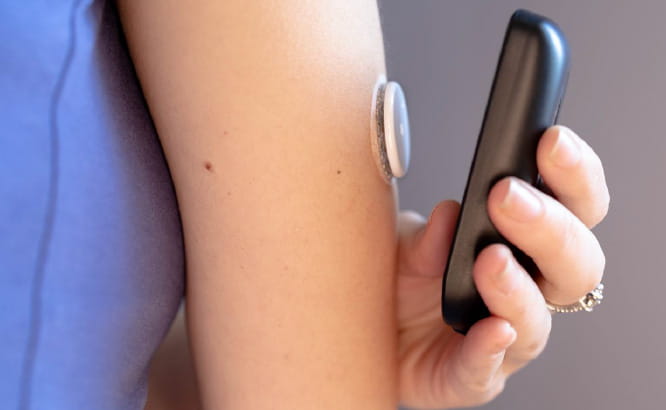
The popularity and accessibility of wearable devices and smartphone apps has not been lost on medical product innovators, who are leveraging them to provide treatment, improve therapies or continuously monitor patients’ symptoms, behaviors, and physiological markers. A far cry from deep-brain stimulation and other more invasive approaches, Motif Neurotech says its “pea-sized” device requires 20 minutes to implant, never touches the brain, and can be activated at home with a wearable to “lift the fog” for people with depression.
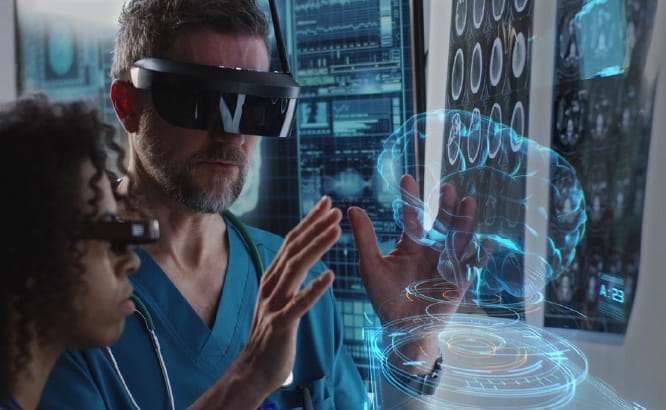
Increased telehealth and mobile health applications have significantly improved access to mental health services, especially in underserved areas. Emerging companies are pushing further with virtual reality (VR) to provide immersive therapy sessions with digital avatars that provide notes to real-world clinicians. VR also is showing promise in addressing conditions such as pain, PTSD, phobias, and anxiety disorders. In the case of Floreo, it is being developed to teach social, behavioral and life skills to neurodiverse individuals.
While digital health apps and digital therapeutics hold immense potential, they also raise important legal, ethical, and practical concerns. Issues such as data privacy and the need for human touch in mental health care must be carefully navigated. Adoption and reimbursement challenges are widely cited in the space. And, of course, any digital treatment or diagnostic tool must be demonstrated as safe and effective. As we were told by David McMullen, director of the US FDA’s Office of Neurological and Physical Medicine Devices, “The proof is ultimately in the clinical evidence that they’re able to generate.”
Digital mental health diagnostics or therapeutics hold the potential to fill the gap and really provide potential therapy for patients.