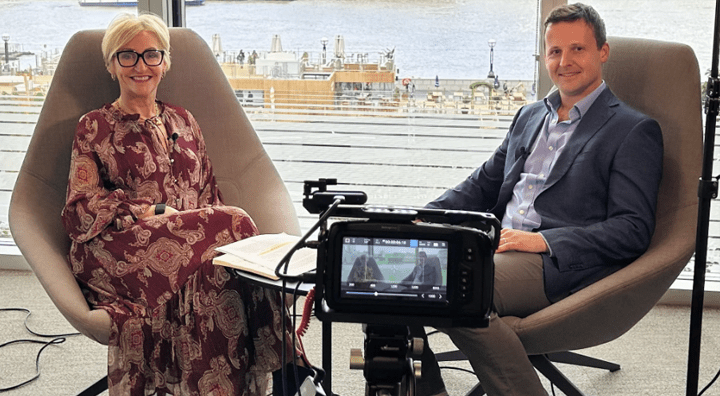
“For generally quite a slow-moving industry, we're witnessing a big change in how and where new drugs are being discovered and brought to markets,” said Daniel Chancellor, VP at Norstella, Citeline’s parent company. Chancellor recently addressed an audience comprised of Japanese pharmaceutical professionals in Healthcare Intelligence Day, presented by Citeline and its sister company Evaluate.
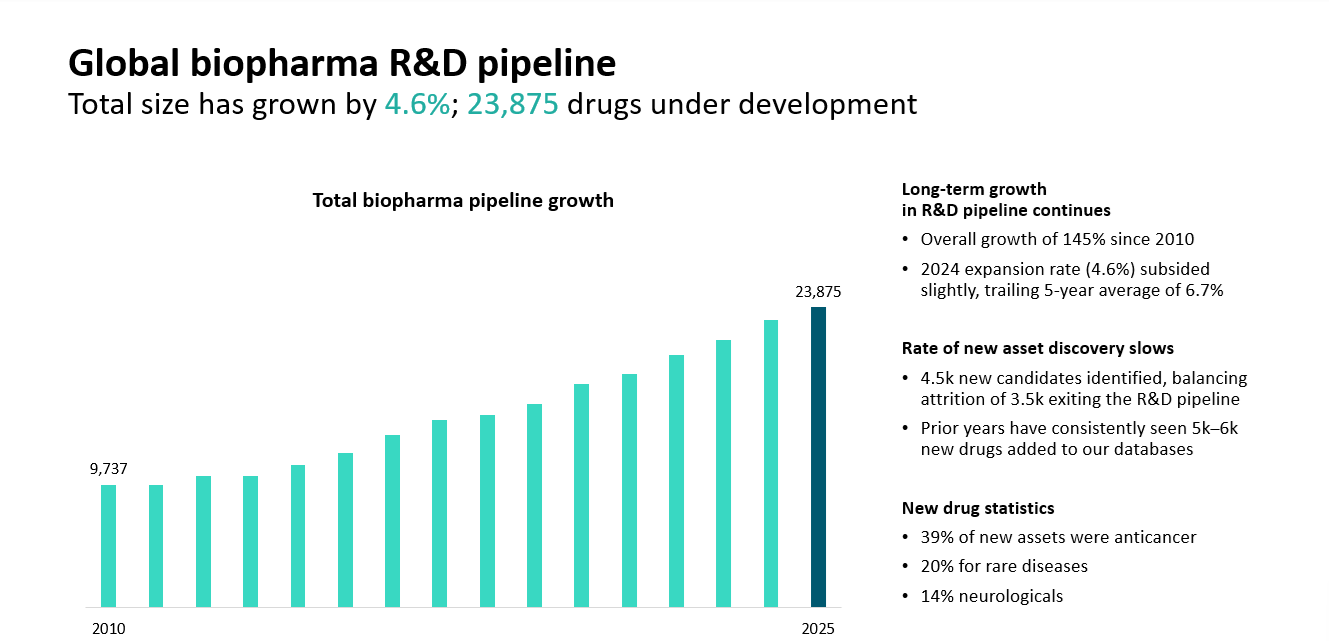
Chancellor noted that the global biopharma pipeline continues to grow and has done so over many years. Last year saw a 4.6% expansion, and Citeline now actively has more than 24,000 drugs in its database since 2010. “This is 145% of absolute growth,” he said. “Within this growth, there is a balance of new drugs being added as well as those being cut from the pipeline. So not only has the numbers of drugs grown tremendously, but the numbers of companies involved in this universe of R&D has also expanded too.”
Source: Citeline, Pharmaprojects
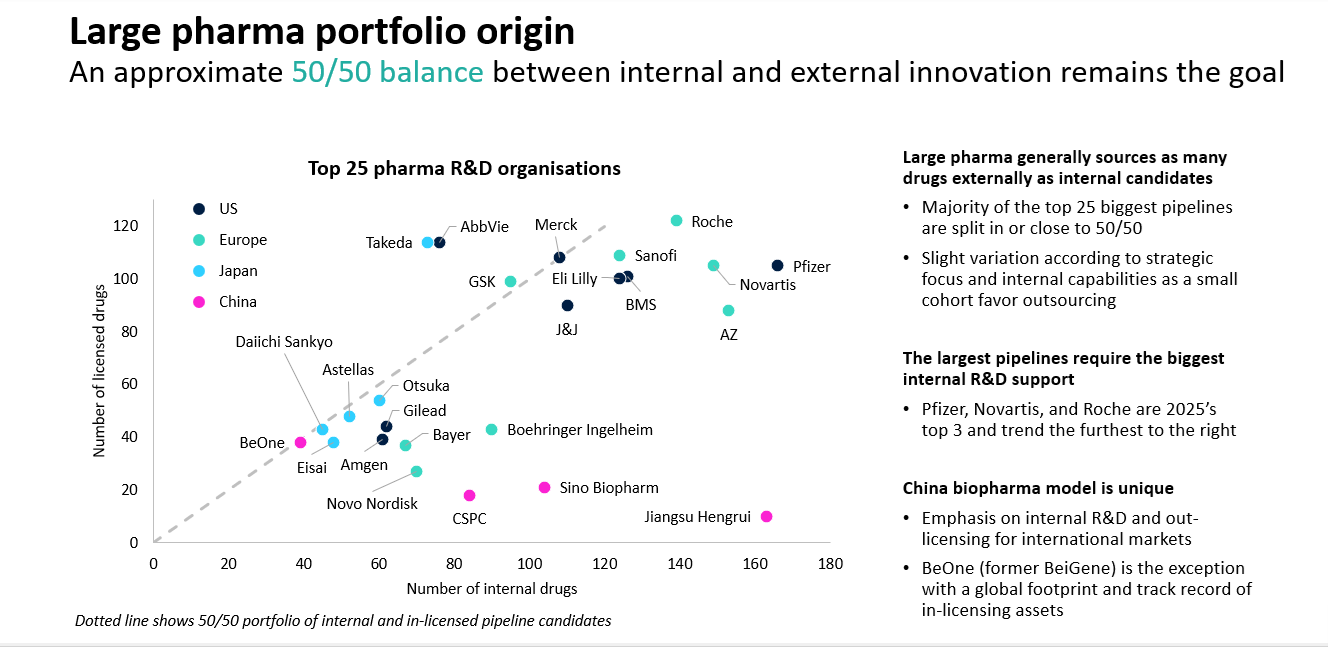
R&D activity is no longer solely the domain of large pharma companies, Chancellor pointed out. He said it has become a biotech world, as evidenced how pharma companies that traditionally bring their own therapies to markets are building their portfolios. There is considerable discussion among large pharma companies about striking a 50-50 balance between internal and external innovation. “If you were to plot this over time,” he said, “you would see the direction of travel is towards increasing externalization of the pipeline. And this makes total sense when you consider that biotechs are originating a growing share of new drugs.
Source: Citeline, Pharmaprojects
“The other dynamic to briefly talk about here,” Chancellor said, “is the different model that we see from Chinese companies. Their pipelines are almost entirely driven by internal drug discovery and their own platform capabilities. These drugs then may become available for licensing for international markets while they are launched domestically by these companies.”
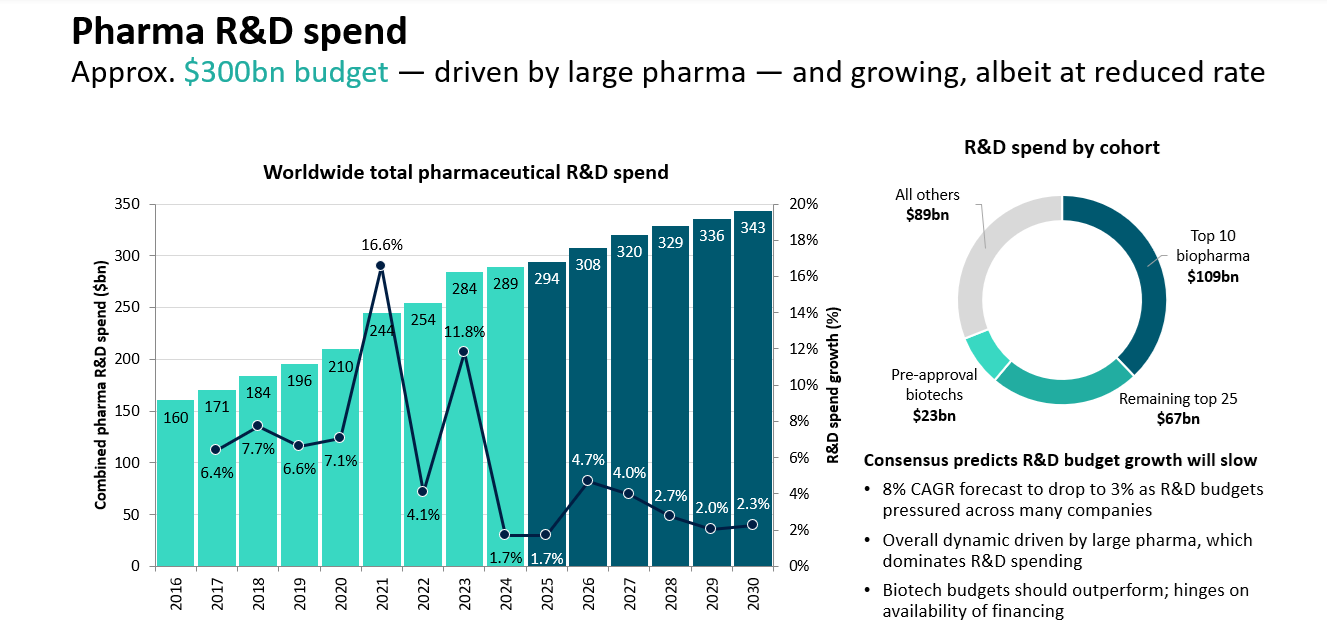
Chancellor shared data and insights on how these pipelines are being funded. “If we take a consensus of what sell-side analysts expect to happen going forwards through to the end of this decade, we're at a moment of change,” he said. “So R&D spend, while still growing slightly, is expected to slow considerably, and I think last year we saw the first evidence for this.”
Source: Evaluate Pharma
Although funding may be slowing down, Chancellor added, the demand for the innovation from these biotechs is at all-time highs.
Chancellor observed that within the pipeline there has always been a strong degree of churn. While some may view this in a negative light, Chancellor said this churn is important to allow companies to pivot and reprioritize their pipelines based on emerging clinical evidence.
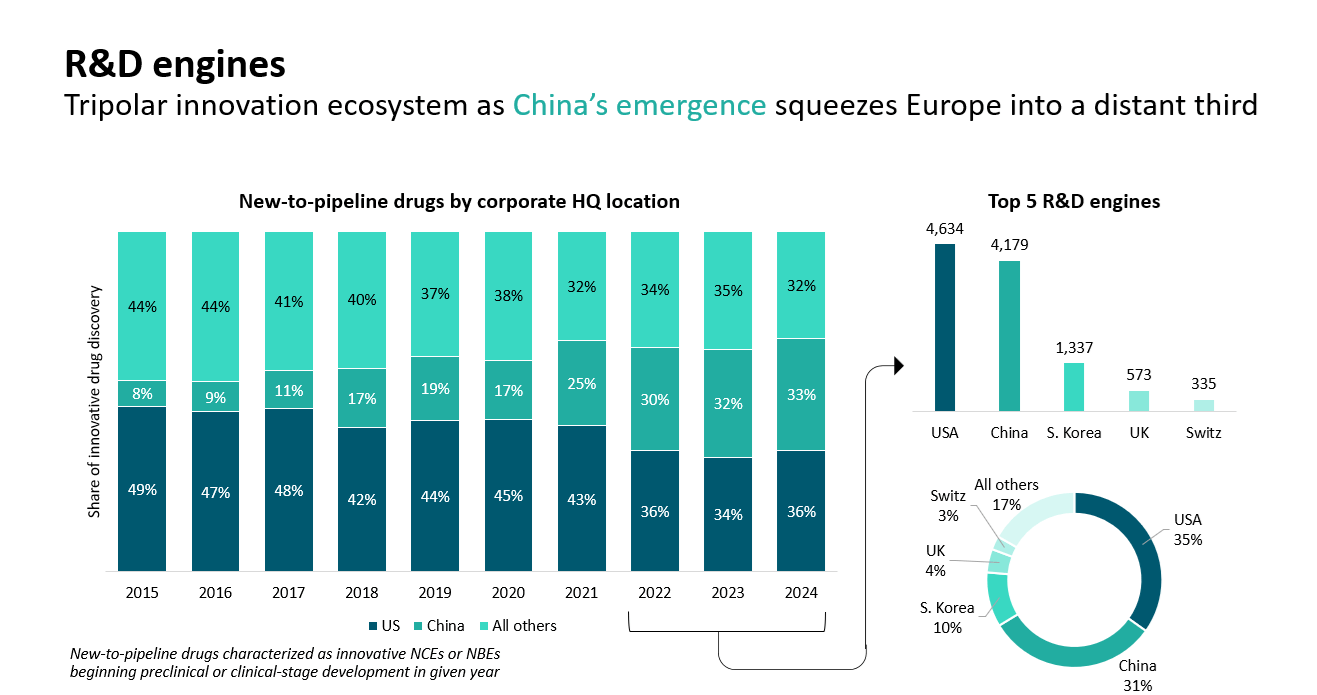
Next, Chancellor focused on where new drug discovery is taking place. “If you've been following the news,” he noted, “you'll have read a lot about China biotechs and how these are rivaling and indeed threatening those in the US. And actually Citeline has been very active in providing and sharing our data with several leading news publications in order to tell this story. China's share has grown from practically nothing to almost one-third over the course of just a decade.”
Source: Citeline, Pharmaprojects
China’s biopharmas clearly rival those as the US, he said, adding that “China overtook Europe a long time ago, and it's probable that we will get to an inflection point where China overtakes the US in the coming years.
“It isn't just a China story, though. If we look at just the most recent three years, South Korea actually has the third biggest R&D engine … ahead of traditionally huge R&D hotspots in the UK and Switzerland. This really is remarkable when you consider the disparity in funding between South Korea companies and the huge revenues that Swiss and UK biotechs have.” Chancellor said Japan is in sixth place just behind Switzerland.
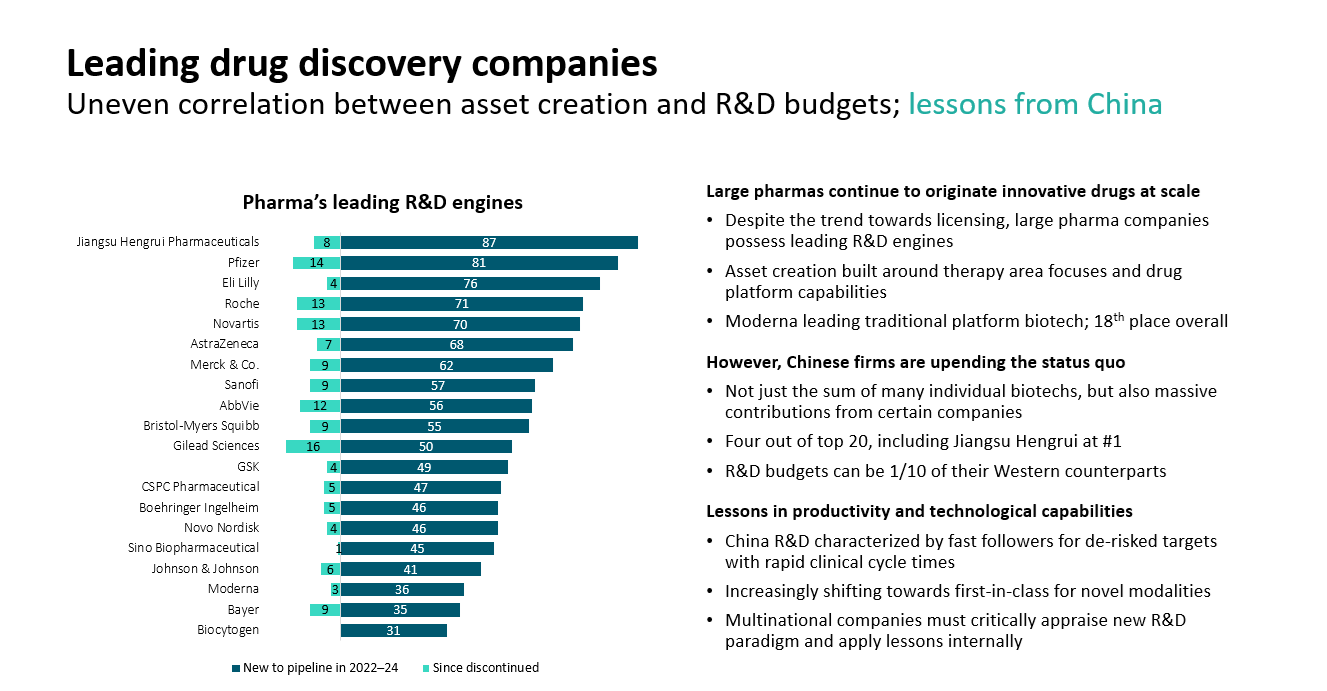
Topping the list of companies building this innovative pipeline is Jiangsu Hengrui, which Chancellor said has more innovative drugs added to its pipeline than any other company over the past three years. Jiangsu Hengrui is joined by three other Chinese companies in the top 20. And none of these, he said, have an R&D budget anywhere near the scale of a multinational Western pharma company.
Source: Citeline, Pharmaprojects
How is it, Chancellor asked, that these companies have been able to innovate at scale with such efficiency? One reason, he offered, is that the typical drug emerging from Chinese biotechs is already very de-risked, which allows for rapid acceleration and confidence in the investments.
In terms of economics, Chancellor cited a Deloitte analysis on pharma R&D productivity, underpinned by data from Evaluate. “The long-term trend is definitely a downwards one,” he said, “whereby R&D costs are rising and commercial success is relatively flat.” However, recent figures suggest a bit of an uptick and a potential reversal of this trend, thanks in great part to the success of GLP-1 obesity drugs.
Success rates also have fallen steadily. Throughout the industry, it has been widely quoted that one in 10 drug new drugs that enters phase one clinical trials will get approval. Today’s numbers, however, reveal that only one in 16 new drugs enters Phase I. “We see increased attrition rates across every stage of clinical development,” Chancellor said.
Sponsors continue to struggle with clinical trial enrollment. The enrollment performance measured by median patients per site per month has fallen by more than half since 2010. The typical Phase I–III trial enrolled about 0.75 patients per site per month at the beginning of 2010, and that has fallen out to 0.31. “Patient availability has now become a critical bottleneck,” Chancellor said.
Rare diseases in particular have been hardest hit by falling enrollment rates, he said. “And this is during a time period when many companies have really built their rare disease portfolios.”
Advice for Asian biopharma
Chancellor’s advice for biopharma companies in Asia, particularly in Japan? “Think big, but act small when competing in a global market, both for innovation but also access to patients.” Companies in Asia must differentiate and play on their strengths, including their proximity to in China and South Korea.
Another path to success, Chancellor advised, is to embrace greater risk in early R&D, not through internal developments, but by partnering externally at the earliest stages of drug development. He added that companies throughout Asia should leverage efficiencies that may not be as available to their competitors in the US and Europe. His top tips:
- Embrace nearby innovation as a strategy and not a threat
- Leverage cultural and logistical advantages when approaching innovation hotspots in China and South Korea
- Favor in-licensing to refill pipelines with greater efficiency
- Partner as early as realistic
- Embrace risk in partnering strategy and be willing to select assets before de-risked
- Buck the trend that sees Western biopharmas wait until killer experiment
- Execute globally with capital efficiency
- Adapt to an environment where funding is tighter and productivity is a differentiator
- Harness longstanding history with international networks and partnerships to pursue global clinical development
Pharmaceutical companies globally, Chancellor said, “need to be doing more with less. … The status quo is changing. Certainly we've shown that the prominence of Asia as a source of innovation is growing. The therapy area mix is also shifting. Shifting away from saturated areas and towards unmet need, we see the competitive intensity has brought about an end to oncology's seemingly endless growth.”
We're witnessing a big change in how and where new drugs are being discovered and brought to markets.